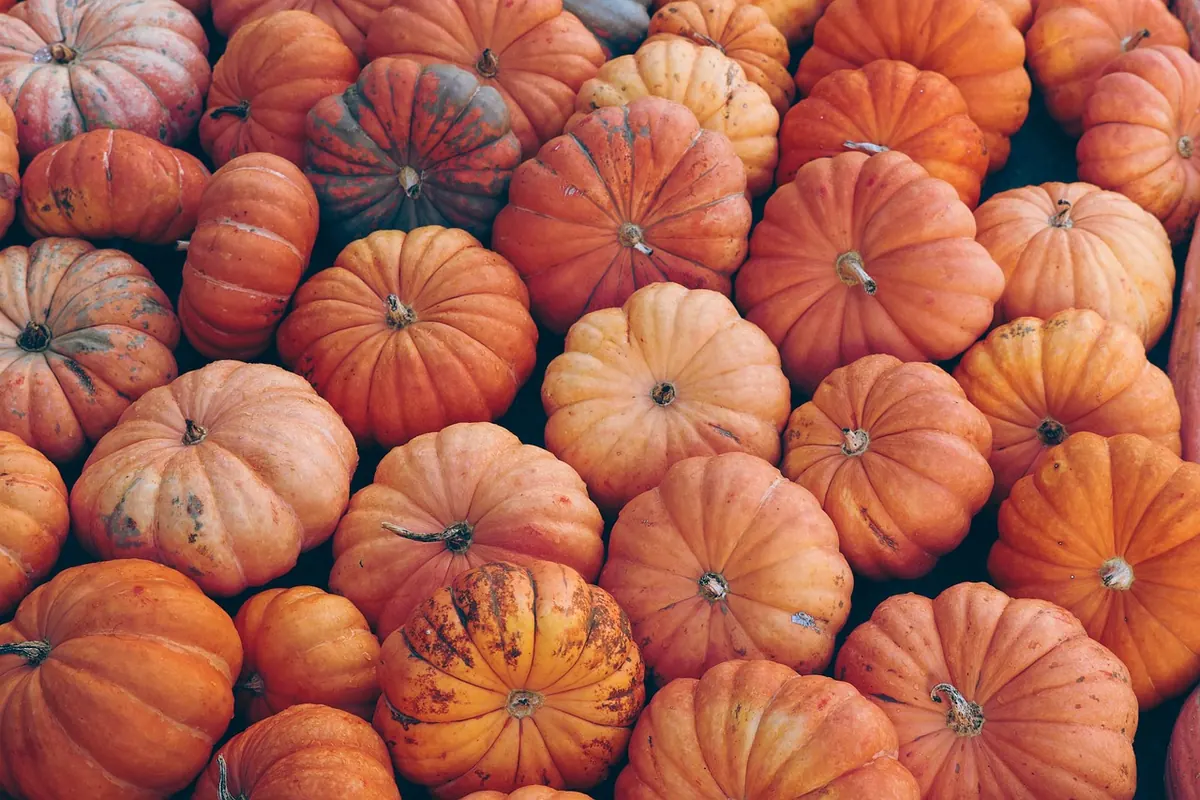
Autumn arrives in Dorato quietly, then all at once. One week the square is still full of late-summer tables and the last of the shade; the next, crates of grapes are stacked outside the co-operative and someone is roasting chestnuts on the corner because the evenings have turned. The season here is short and generous, and it rewards a little preparation — not because the town is difficult to visit, but because the best parts of autumn happen on particular days, in particular rooms, and often with little notice.
How the Season Unfolds
There is no single "autumn festival" in Dorato. The season is a sequence of small, overlapping events, most of them run by families, parishes and the agricultural co-operative rather than by a tourism office. Dates shift slightly each year depending on the weather and the ripeness of the grapes, so treat any calendar you find as a guide and confirm the week before you travel.
- Late September: the grape harvest begins on the hillside plots. Cellars start to smell of must, and the first tastings of the new vintage are usually offered to members and their guests.
- Early to mid October: chestnut and mushroom season. Market Sundays get busier, and the woods above town fill with people carrying baskets at dawn.
- Mid October: the lantern walk for children, followed by a long-table dinner in the square on the nearest dry weekend.
- Early November: olive pressing at the mill. This is the quietest, most local stretch of the season and arguably the most interesting.
- 11 November: the feast of San Martino, with new wine, roasted chestnuts and a short procession that ends, reliably, with food.
The Grape Harvest and the Open Cellars
Picking starts early, often before seven, while the dew is still on the fruit. If you are staying in the area and want to help, ask at the co-operative or at the bar in the square rather than turning up in a vineyard. Smallholders sometimes welcome an extra pair of hands for a morning, but they need to know who you are first, and they will not put you on a ladder.
For most visitors, the useful part of the harvest is what follows: the cellars that open their doors for tastings during the picking weeks. These are usually informal affairs — a plank table, a few bottles, bread and salami — and they fill up fast on weekends. Call or message a day or two ahead, arrive in the late morning rather than at lunchtime, and if you are driving, decide before you start who is not drinking. Spittoons are normal and no one will be offended if you use one.
Ask, if you get the chance, what the must is doing. Growers are generally pleased to explain which plots came in first, how the sugar levels look after a hot August, and why one slope always ripens earlier than another. It is the easiest conversation in the world to start and it will teach you more about the place than any signboard.
Market Days, Chestnuts, and the Woods
The Sunday market swells through October and moves, weather permitting, from the side street into the square. Come before ten if you want the good bread and any chance of parking near the centre. Later in the morning it is more crowded but more sociable, and the stallholders are more willing to talk.
What to buy, and what to leave
- Chestnuts: buy from a stall that sells them by the sack as well as roasted by the cone. Fresh nuts keep for weeks in a cool, dry place.
- Mushrooms: buy only from licensed sellers at the market, and never accept a mixed bag from an unknown source without asking exactly what is in it.
- Squash and late tomatoes: cheaper by the crate at the end of the day, and ideal if you have a kitchen.
- Olive oil: wait for the pressing in November if you can. The new oil is sharper and brighter than anything bottled earlier in the year.
If you plan to forage, understand the local rules before you go. Many areas require a permit for mushroom picking, restrict quantities, and ban plastic bags in favour of a basket that lets spores fall. Ask at the comune office or at the co-operative. The rules exist for good reasons, and the fines are real. The other rule is the one that matters most: never eat anything you cannot identify with certainty, and never pick the small ones that have not yet opened.
Evenings in the Square
Autumn evenings are where Dorato does its best work. The lantern walk is short, entirely uncommercial, and lovely: children assemble at dusk with paper lanterns, some homemade, some bought for a few coins from the parish hall, and process a loop through the old streets before ending at the square for hot chocolate. Arrive early enough to find the starting point before dark, bring a real torch as well as the lantern, and dress warmer than you think you need to — the route is mostly in shadow.
The long-table dinner is the bigger occasion, with trestle tables down the length of the square, a fixed menu, and a band that starts too loud and settles down. Tickets are sold in advance, usually at the bar or the tobacconist, and they do sell out. If you are a group, buy together and say so; you will be seated as a group. If you are alone, say that too — you will be put next to someone, and it will be fine.
Planning the Trip
Two weekends carry almost all the pressure: the lantern walk and the long-table dinner. Everything else can be arranged at short notice. Work backwards from those dates.
- Check the local calendar properly. The comune noticeboard, the parish bulletin and the co-operative's window are the real sources. Websites and social pages are often out of date.
- Book accommodation early for the two big weekends, and expect minimum stays. For the quieter weeks you can leave it late and often get a better rate.
- Decide how you will move around. Bus services thin out in the evening, and the cellars are spread across the valley. A car helps; a designated driver is essential.
- Buy dinner tickets the week they go on sale, not the week of the event.
- Leave one day unplanned. Autumn in Dorato is at its best when a walk turns into an invitation.
Rain, Mud, and the Shoulder Weeks
October rain is normal, and it does not cancel much — the market moves under cover, the cellars are indoors, and the mill is at its most atmospheric when the windows steam up. Bring boots you do not mind ruining, a waterproof layer, and a spare pair of socks. The woods are slippery after rain, and the stone streets in the old centre are polished enough to catch out anyone in smooth soles.
The weeks either side of the main events are the ones locals prefer. You will find space at the table, time to talk to the people pressing the oil, and a town that is working rather than performing. If you only have one free weekend and no fixed dates, choose the first half of November.
A Short Checklist Before You Go
Confirm the dates with a local source a week out. Book the two big weekends, buy dinner tickets as soon as they appear, and sort out transport before you think about anything else. Pack boots, layers and a torch. Bring cash for market stalls, since not every small seller takes cards. Ask about foraging permits rather than assuming, and buy mushrooms from a licensed stall. Keep one afternoon free and let the town fill it. And if the weather turns, go to the mill — the oil will be running, and someone will hand you a piece of bread.
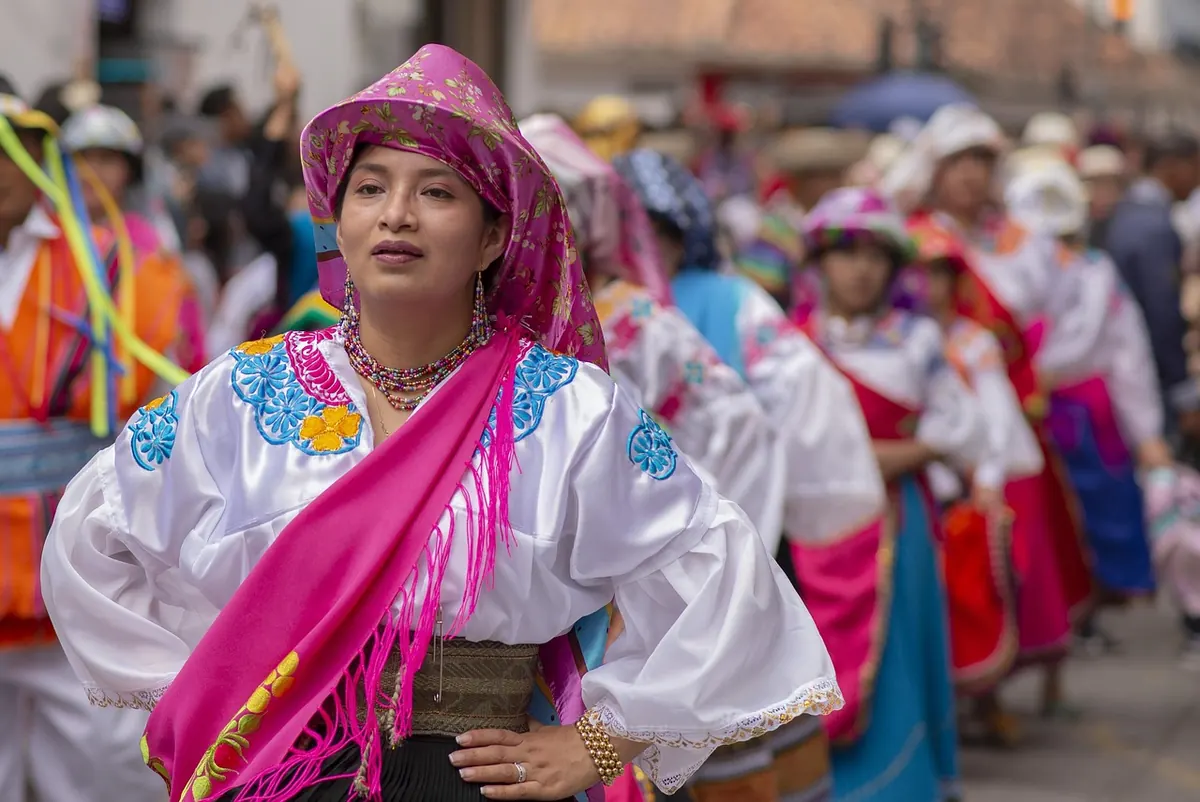
Photo: jensphotography / Pixabay