Every year, usually in the same two or three weeks, someone in Dorato asks the same question: of all these things on the calendar, which one should I go to first? The list is long, the names are unfamiliar, and several events seem to assume you already know how they work. This is for the person who moved here in autumn and has been meaning to go since, or the one who has lived here for a decade and never quite made it.
Five events make a good starting point. Between them they trace the shape of the year, from the first warm weekend to the shortest days, and none of them requires preparation beyond a decent pair of shoes. Go to one. The rest of the calendar gets easier to read after that.
The shape of the year
Dorato doesn't run a single cultural season so much as four small ones, and they overlap at the edges. Spring belongs to outdoor openings: short ceremonies, public walks, the first markets to set up outside again. Summer is the loudest stretch, when the music programme fills courtyards and the evenings are long enough that nobody checks the time. Autumn turns argumentative — readings, talks, a book fair, the sense that everyone has an opinion about something. Winter is the smallest season and, for a lot of people, the one they end up loving.
Dates drift from year to year. The spring event moves with the weather and the church calendar, the summer weeks shift around local holidays, and the winter market depends on school terms. Don't trust a date you remember from last year. Check the printed programme at the tourist office, the noticeboards near the station, or the posters that go up in shop windows a few weeks ahead. Those three sources are more reliable than anything you'll hear secondhand.
Five events to start with
Each of these is easy to attend without knowing anybody, which is the real test for a first event.
La Prima Luce — early spring
The year opens early in the morning, up in the older part of town, with bells, a very short speech, and breakfast in the square afterwards. It sounds solemn and turns out to be sociable. People arrive in coats, complain about the hour, and are cheerful by the second coffee. This is the best first event if you want to see half the town at once, because half the town comes.
Tip: arrive on foot if you can. The streets near the square close, and the parking that exists fills up long before the bells start.
The Corte Vecchia Music Weeks — June and July
Concerts in courtyards, mostly small ensembles, a programme that mixes early music with things written in living memory. Some nights are ticketed, some are open to anyone who turns up. The setting does most of the work: stone walls, folding chairs, the temperature dropping as the light goes.
Tip: the midweek evenings are calmer and easier to get into than weekends. If you're unsure about the programme, go to an open night first and decide whether to buy tickets for anything else.
The Lantern Passage — late August or early September
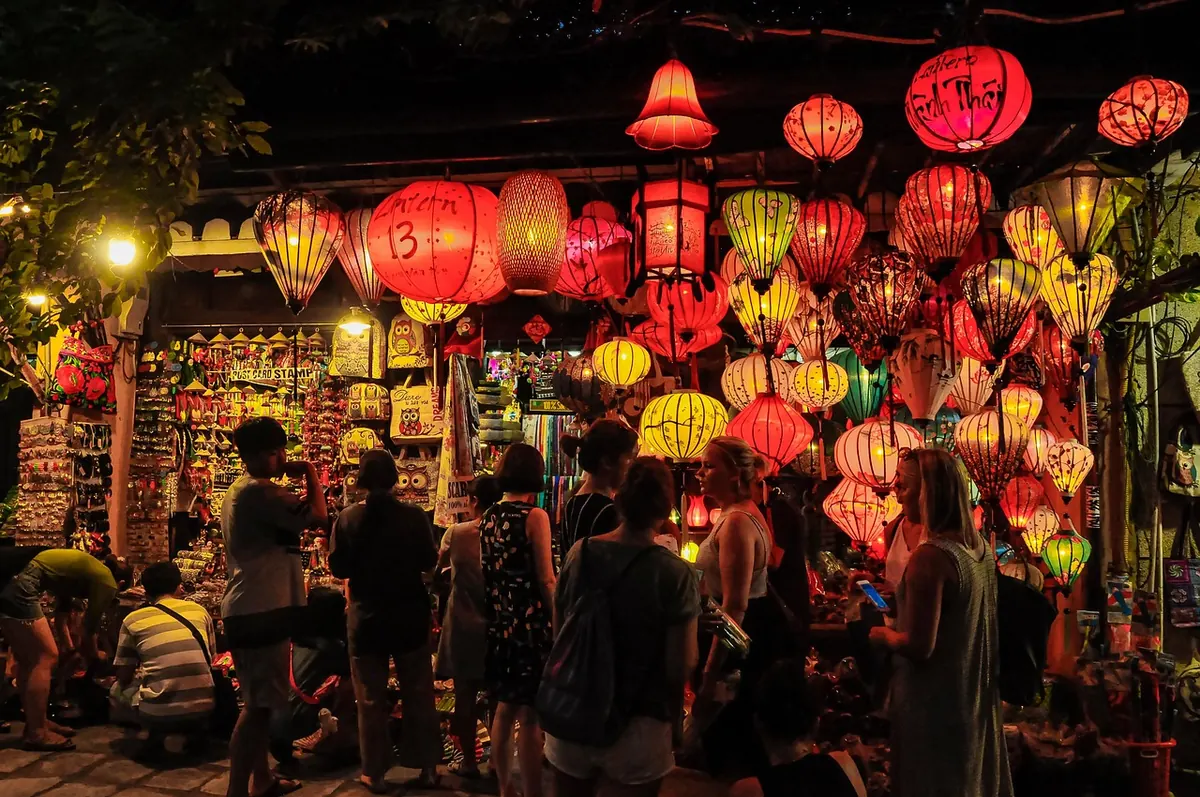
A slow evening walk through the old streets with lanterns, families, and food stalls at the end. It's the most photogenic thing on the calendar and the most crowded, which is saying something. The route is short. You'll spend longer standing and talking than walking.
Tip: buy a lantern at the start of the route rather than bringing your own improvised one; the paper ones sold on site survive the evening better. Go on a weekday if you have any choice.
The Word Fair — October
A weekend of publishers' tables, second-hand stalls, short readings and long queues for coffee. It's held indoors, which matters in a month that can't decide what it's doing. Even if you don't read in the language well yet, it's a good place to browse and to hear how people talk about books here.
Tip: go on the first day for the full selection. Stalls pack up at different times on the Sunday, and the tables that remain are the ones that arrived with too much stock.
The Winter Table — mid-December
Food, crafts, warm drinks and long shared tables set up for a fortnight in the centre. It's smaller than the summer programme and quieter than the Lantern Passage, and it's where a lot of locals do their actual gift shopping. The atmosphere is closer to a very large kitchen than to a festival.
Tip: mornings are calm and evenings are packed. If you want to talk to the producers rather than shuffle past them, go before lunch.
How to choose your first one
Don't pick the event with the best reputation. Pick the one that suits the mood you're actually in, because a first visit sets your expectations for everything after it. Ask yourself a few plain questions:
- Do I want to talk to strangers, or just watch? La Prima Luce and the Winter Table are conversational. The Music Weeks are not.
- How do I feel about crowds? The Lantern Passage is the busiest by a wide margin. The Word Fair is busy but you can always step outside.
- What time of day works? If early mornings are out of the question, rule out the spring opening and start in June.
- Do I need to book? Ticketed concerts need a decision weeks ahead; the walk and the market don't.
- Am I going alone? All five are fine solo. The market and the fair are the easiest to leave after twenty minutes if it isn't working.
If you genuinely can't decide, start with the Word Fair. It's indoors, it's cheap to browse, and nobody will notice whether you stay for an hour or all afternoon.
Three mistakes first-timers make
- Treating the start time as a start time. For the walks and the markets, the published hour is when things begin to happen, not when they are in full swing. Arrive late and you'll miss the opening; arrive early and you'll stand around. Somewhere in between is right.
- Driving into the centre. Every one of these events affects parking. Walk, cycle, or take the bus and accept a ten-minute walk at the end.
- Trying to do two events in one day. They last longer than the description suggests, mostly because you end up standing and talking. Pick one and give it the whole afternoon or evening.
Before you go: a short checklist
Confirm the date on a printed programme rather than a memory. Check whether tickets are needed and, if so, whether they're sold on the door — the ticketed concerts usually aren't. Take cash for the small stalls, since not every table at a market is set up for cards. Wear shoes you can stand in for two hours. Bring a layer, even in June, because courtyard evenings cool down fast.
And go easy on yourself about the rest of the calendar. Nobody attends everything, and the people who try tend to stop going altogether by the second season. One event, properly enjoyed, is a better introduction to Dorato than five rushed ones. Pick your date, put it somewhere you'll see it, and let the year unfold from there.
Photo: NguyenDo / Pixabay