Somewhere in your town, someone is rearranging their Saturday because of a listing they read on their phone. That is the quiet work a good event entry does. It is not a poster with a date attached; it is a small piece of service journalism that helps a stranger decide whether to leave the house.
Submitting to Notiziole Dorato is simple, and most listings we receive are publishable within a day or two. The ones that get held up, or that get few readers, almost always share the same small problems: a missing address, a photo that will not crop, a start time without an end time. Here is how to prepare yours so it lands well and lands on time.
Start With One Honest Sentence
Before you touch a submission form, write a single sentence that answers three things: what this is, who it is for, and what a person will actually do for two hours. If you cannot write it, the listing will not fix that.
Good: The autumn seed swap is a free Saturday morning gathering where gardeners trade seeds, cuttings and advice, with a short talk at 11am.
Weaker: Join us for a wonderful celebration of community and nature!
The second version is not wrong, it is just empty. It tells a reader nothing they can use to plan a morning. Notice that the first sentence also quietly answers practical questions — free, Saturday, morning, talk at a set time — without turning into a schedule.
Once you have that sentence, decide on your headline. Ten words or fewer, no all-caps, no exclamation marks, and no acronyms that only your members recognise. "Open day at the Marchetti workshop" beats "OD 2024 — BE THERE!" every time.
The Details That Decide Whether People Come
This is the part worth slowing down for. A reader who has never heard of your group should be able to get there, pay the right amount, and know what to bring, without emailing anyone. Collect all of the following before you start writing:
- Name of the event exactly as you want it printed, with the official spelling of any names in it.
- Date and time, including an end time. "From 7pm" leaves people guessing whether they can still arrive at eight.
- Venue with a street address, plus which entrance or door to use if the building has several.
- Cost, and say "free" plainly if it is free. Mention donations or a small materials charge if they exist.
- Registration: whether people can simply turn up, or whether they need to book, and by when.
- Access: step-free entry, parking, toilets, seating, a quiet space, whether dogs are welcome.
- Who is organising, with a contact a reader can genuinely reach in the week of the event.
- Weather plan for anything outdoors, even if the plan is simply "we move indoors".
- Suitability: ages, fitness level, whether children need an adult with them.
Try the two-minute test. Hand your details to someone who has never been to your venue and ask them to explain how they would get there. If they hesitate at the address, so will readers. "The community hall" is not an address. "The community hall on Mill Street, side door by the courtyard" is.
Photos: One Good Frame Beats Six Mediocre Ones
A landscape photo, taken in daylight, of people actually doing the thing, will outperform a flyer nine times out of ten. Flyers are designed to be printed and pinned; they usually carry small text that becomes unreadable on a phone screen. If the flyer is the only picture you have, send it, but send a real photo alongside it.
A few practical notes. Avoid heavy filters and heavy cropping; both tend to mangle on different screens. Check that faces are in focus and that anyone recognisable is happy to appear — for children, ask a parent first. If a volunteer took the picture, credit them in the caption you send; it takes one line and it keeps goodwill. And send the largest version you have rather than a screenshot of a message thread.
If you are unsure which of three photos is best, send all three with a note about which you prefer. Choosing is faster than asking.
Dates, Deadlines and the Timing Trap
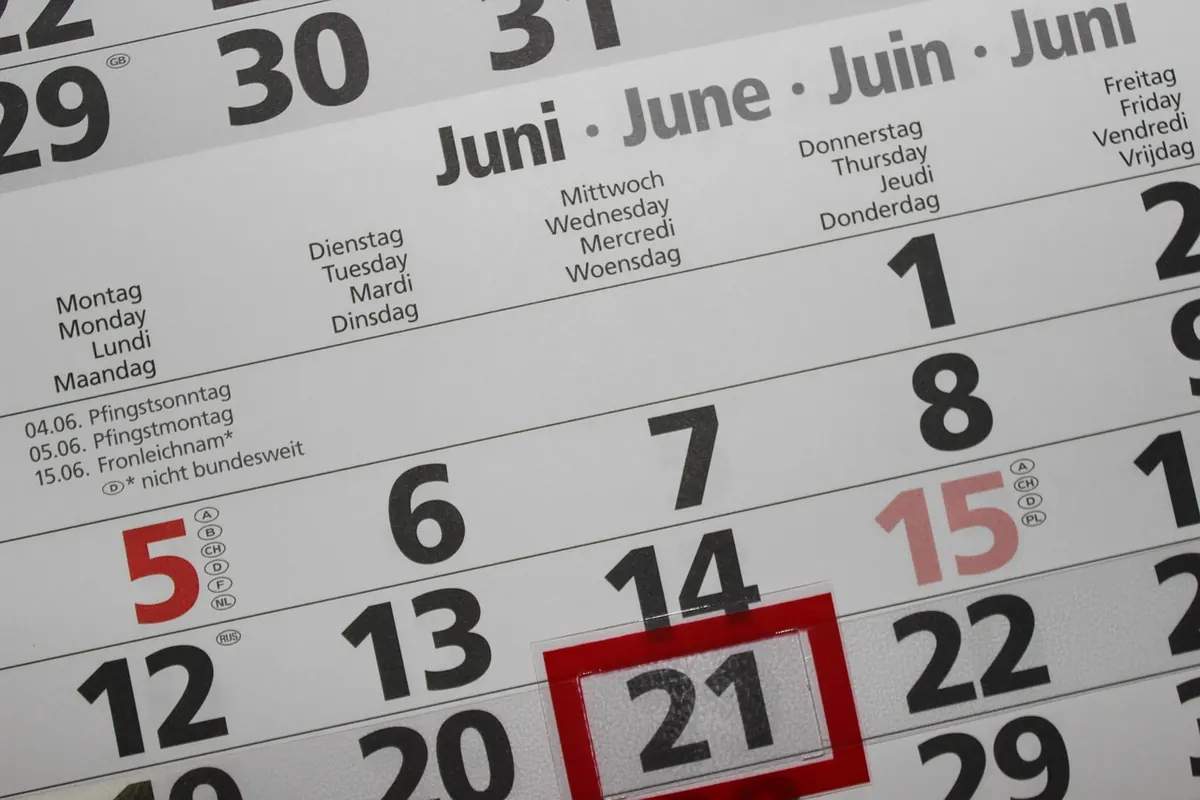
As a rule of thumb, send your listing at least two weeks before the event, and three weeks if people need to book, form a team, or arrange travel. Listings published the day before an event are not useless, but they only reach readers who are already free that evening.
Write dates in full — "Saturday 14 June, 7pm to 9.30pm" — rather than in numerals alone, which are read differently in different countries. If your event repeats weekly or monthly, say so in the first line of the description and give the first and last dates of the run, rather than asking for twelve separate listings.
Changes happen. If a time shifts or a venue falls through, message as soon as the decision is made, put "Correction" in the subject line, and repeat the full corrected details rather than only the change. A correction that says "the time has moved" without the new time creates more work for everyone.
Writing the Description That People Actually Read
Aim for 120 to 200 words. Three short paragraphs will do it.
The opening paragraph
Use the sentence you wrote at the start. Then add the one detail that makes the event distinctive: the size, the atmosphere, the thing that happens at the end. "Last year about forty people came and the last hour was mostly conversation" tells a reader more about the mood than any adjective.
The middle paragraph
What happens, in order, if the order matters. Include what to bring and what not to bring. If there is a schedule with fixed points, list them as plain times rather than burying them in sentences.
The closing paragraph
How to take part, who to contact, and any deadline that applies. Keep it to two sentences and make sure the contact detail appears exactly once, clearly, rather than three times in different formats.
Submitting and What Happens Next
- Gather your details, photos and captions in one folder before you start. Half-finished submissions get lost between other tabs.
- Write your description and read it aloud once. Anything you stumble over, a reader will too.
- Complete the event submission form with the details exactly as you want them published. Use the description field for prose, not for the address.
- Note the category and any relevant tags so the listing appears in the right place on the site.
- Keep the confirmation you receive. It is the fastest way to reference your submission if you need to send a correction.
A Last Check Before You Send
Run through this list once. It takes about ninety seconds and it prevents almost every delay we see.
- The headline is under ten words and free of acronyms.
- Date, start time and end time are all present.
- The address includes the street, not just the building name.
- Cost and booking requirements are stated in plain words.
- At least one landscape photo is attached, with a credit in the caption.
- A named contact is included and will be reachable on the day.
- You have submitted earlier than you think you need to.
Then send it, and get back to the part that matters: the event itself. If something changes afterwards, tell us early and plainly, and the listing will be corrected without fuss.
Photo: MaeM / Pixabay